About RESTORE Hub
The RESTORE Hub is where care, research and community come together. Focused on social and behavioral sciences research, the RESTORE Hub strives to improve the quality of life for all communities through research, education, services, innovation, and collaboration.
- Research
- Education
- Services
- Transition
- Outreach
- Staff
- Volunteer Opportunities
- Location & Contact Information
Research
Our focus
Mission & Core Identity
The RESTORE Hub (Research, Education, Service, Transition, and Outreach through Reflective Engagement) is a social and behavioral sciences research institute. Our primary mission is to improve the quality of life for all communities through services, research, education, innovation, and collaboration.
Research Strategy
Our research agenda is grounded in "Implementation Science"—bridging the gap between theoretical research and practical application. We utilize rigorous scientific methods to support vulnerable populations and improve community outcomes. Our strategic focus areas include:
- Assessment of Enabling Technologies: We investigate how emerging technologies, such as VR and AI, can be utilized to empower individuals with disabilities, rather than developing the hardware ourselves.
- Measurement & Psychometrics: We engage in the creation of new valid assessment tools, as well as the evaluation of pre-existing measures, to ensure accurate data regarding family and community wellness.
- Population Health Analysis: We utilize large-scale datasets, such as the Arkansas All-Payer Claims Database, to identify comorbidity patterns, service utilization trends, and costs across the state.
- Program Evaluation: We design and implement frameworks to gauge the performance and success of grant-funded consortiums and transition programs.
- Intervention Efficacy: We conduct controlled trials (including RCTs) to determine the effectiveness of psycho-educational interventions and digital coaching tools for reducing anxiety and increasing knowledge.
- Longitudinal Wellness Tracking: We commit to long-term data collection to monitor shifts in health, wellbeing, and belongingness among student and community populations over time.
Current Projects
AstateCampus Wellness Initiative (CWI)
The Campus Wellness Initiative is a longitudinal study designed to collect data on student health, wellbeing, and belongingness semesterly. By performing in-depth analyses of this data, we aim to produce regular reports and peer-reviewed publications that track the evolving wellness landscape of our campus community.
Enabling Technology Analysis (Simply Home)
Through a partnership with the Department of Human Services (DHS), we analyze data regarding "Enabling Technologies". Our work involves creating categorization taxonomies to standardize how these varied technologies are reported and developing code structures to handle large, complex data tables. This analysis supports the evaluation of technology efficacy for independent living.
TPSID (Transition and Postsecondary Programs for Students with Intellectual Disabilities)
Following the awarding of the TPSID grant, this project focuses on building a foundation for a consortium that supports students with intellectual disabilities. Our research team develops and finalizes internal measures to gauge the consortium's performance and uphold its future success.
Culturally and Linguistically Responsive Family Engagement Measure
This project focuses on developing and validating a survey instrument to capture families' perceptions of engagement and cultural responsiveness in early childhood settings (Birth–5). We utilize psychometric methods, including factor analysis, to refine the measure for broad use across childcare branches and family home centers.
Arkansas All-Payer Claims Database (APCD)
The RESTORE Hub utilizes the APCD, a statewide resource aggregating de-identified health care claims, to conduct population-level research. This project explores patterns of health conditions and service use to inform public health decisions and support future grant activities.
Videos for Families with Children in Transition
This is a randomized controlled trial (RCT) designed to deliver psycho-educational sessions to families of children with disabilities. The study compares the effectiveness of static video content against an AI-powered conversational coach in reducing parental anxiety and increasing service navigation knowledge.
Artificial Intelligence in Surgical Health Care: A Systematic Review of Implementation
This project is a systematic review focused on how artificial intelligence tools are being implemented in surgical and perioperative care settings. We synthesize evidence on adoption, implementation strategies, barriers and facilitators (including organizational and workflow factors), and reported outcomes tied to real-world use. The goal is to produce a rigorous summary that clarifies what “AI” looks like in practice across studies and provides actionable insights for health systems, clinicians, and researchers considering implementation.
Opportunities
The RESTORE Hub offers students distinct opportunities to gain hands-on experience in social science research. We are looking for motivated undergraduate and graduate students eager to develop skills that are highly valued in both academic and professional settings.
How to Join
Students interested in gaining research experience should complete the Volunteer Interest Form: Become a Research Volunteer – Fill out form.
Skill Development Opportunities
Our volunteers assist with various aspects of the research lifecycle. By joining our team, you can gain experience in:
- Scientific Writing: Assisting with the drafting of manuscripts, reports, and publication strategies.
- Literature Reviews: Conducting comprehensive reviews to inform the creation of new studies and fidelity checklists.
- Data Management: Learning to code, clean, and organize large datasets for analysis.
- Psychometrics: Participating in the development and validation of survey scales and measurement tools.
- Statistical Analysis: Gaining exposure to analysis methods ranging from basic descriptive statistics to complex factor analysis.
Education
Education
The Education component of RESTORE focuses on building knowledge, skills, and capacity across individuals, families, providers, and systems. Education serves as a delivery mechanism to translate research and best practices into practical, accessible learning opportunities that support whole-life outcomes. Educational efforts include training modules, workshops, toolkits, and technical assistance designed to improve understanding of health, behavioral health, disability supports, transition planning, and community-based services. Emphasis is placed on equitable access, plain-language resources, and universal instructional approaches to ensure materials are inclusive and usable across diverse populations.
Services
Services
RESTORE Services are designed to directly support individuals, families, and community partners by addressing real-world needs identified through data, research, and stakeholder engagement. Services may include family and caregiver support, navigation assistance, community education events, program coordination, and linkage to resources that reduce barriers and prevent burnout. Service activities are informed by evidence, responsive to community needs, and aligned with RESTORE’s mission to strengthen systems, improve outcomes, and promote sustainability across health, education, and community contexts.
Transition
Transition
The RESTORE Hub’s Transition work expands Inclusive Postsecondary Education (IPSE) opportunities for young adults with intellectual and developmental disabilities (IDD), including autism, and supports pathways to independent living, community engagement, and employment.
Programs at a glance
H.O.W.L. Transition Program (Helping Our Wolves Learn)
What it is: An inclusive postsecondary program that opens the A-State experience to students with IDD/autism through supported academics, independent living skill-building, mentoring, social development, and career preparation.
Core supports/services commonly referenced:
-
Academics: personalized academic plan; academic coaches/mentors; participation in courses and campus activities
-
Career Planning: supported internships, résumé support, interview practice, portfolios
-
Independent Living: budgeting and daily-living skills to support the transition from home to campus life
-
Mentoring + Social Skills: structured and informal supports toward social/emotional/behavioral goals
Eligibility & readiness (publicly listed): Examples include ability to function without attendant care, independently manage medications, communicate basic needs, and have an identifiable disability record (e.g., IEP/psychoeducational report). (See program page for full details.)
Program structure notes (program materials):
-
HOWL is described as a Comprehensive Transition Program (CTP); started 2020; 2–4 year option; students may be eligible for financial aid; it is non-degree.
Program contact: HowlTP@AState.edu | 870-972-2000
A.T.L.A.S. Transition Program (Autonomy Through Leadership, Advocacy, and Service)
What it is: A continuation pathway aligned with the HOWL experience, emphasizing enrichment, community engagement, and self-determination/leadership.
Program structure notes (program materials):
-
ATLAS is described as serving Years 3 and 4, for students who have completed HOWL or another program; it is described as not a CTP in program materials.
-
Program materials describe different living arrangements across programs: HOWL on-campus housing vs ATLAS apartment living.
Service domains (program materials):
-
Financial: budgeting, ledgers, shopping
-
Social: community integration, volunteering
-
Academic: tutoring/accommodations; ATLAS references certificate/degree-bound supports in program materials
-
Independent living: meal preparation, wellness, apartment living
-
Career: employment preparation/interviews
Governance/public milestone: The ASU System Board of Trustees approved ATLAS as a continuation of the existing HOWL program (public news release coverage).
Program phone contact (department manual): 870-972-2000
TPSID grant: CIPET (Consortium for Inclusive Postsecondary Education and Transition)
RESTORE’s Transition work is also expanding statewide through the U.S. Department of Education Office of Postsecondary Education under the TPSID program (Transition Programs for Students with Intellectual Disabilities into Higher Education).
What was awarded (publicly reported):
-
Approximately $2 million over 5 years to establish a statewide coordinating center and expand IPSE capacity in Arkansas.
-
Led by RESTORE Hub at A-State, with partners including University of Arkansas at Pine Bluff (UAPB) and Arkansas State University–Mountain Home (ASUMH).
What CIPET is designed to do (grant abstract / system release):
-
Operate from the RESTORE Hub as the statewide coordinating center for IPSE programs.
-
Provide technical assistance, lead data collection and evaluation, and disseminate resources/best practices to strengthen the capacity and sustainability of TPSID/IPSE efforts in Arkansas.
Outreach
Outreach
Staff
Executive Team
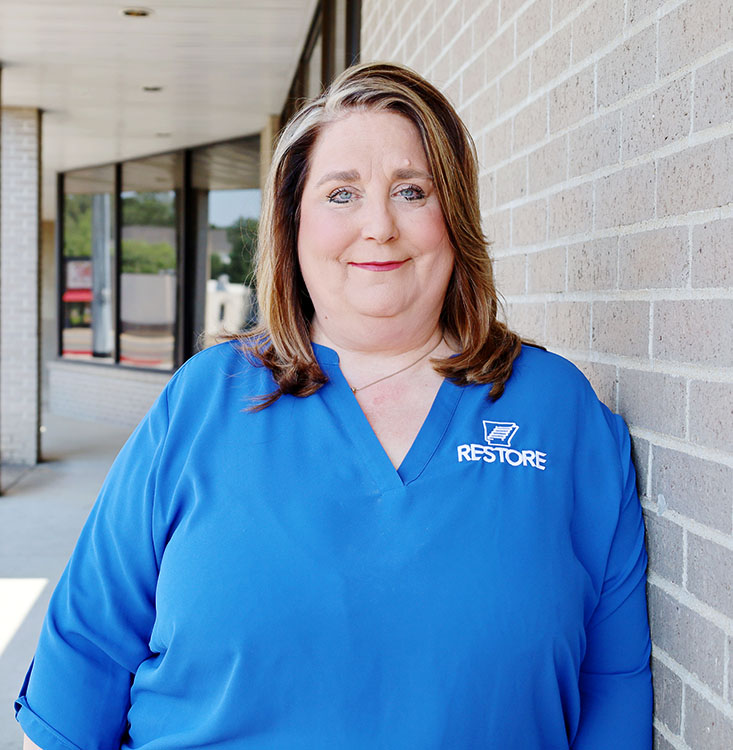
Dr. Kristin N. Johnson
Executive Director
Assistant Professor of Psychology
(870) 972-4844
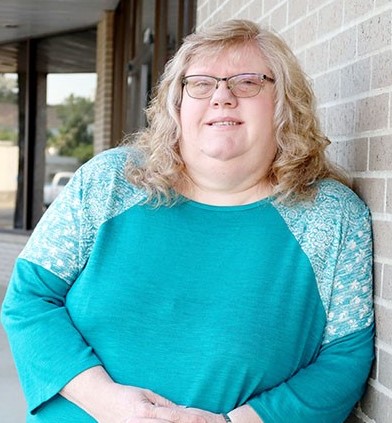
Kimberly Smith
Executive Assistant
(870) 972-4844

Cindy Bode
Information Systems Analyst
(870) 680-8102
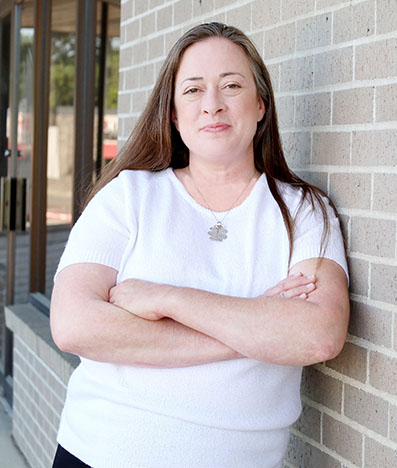
Jessica Rainwater
Marketing & Public Relations Officer
(870) 972-3911
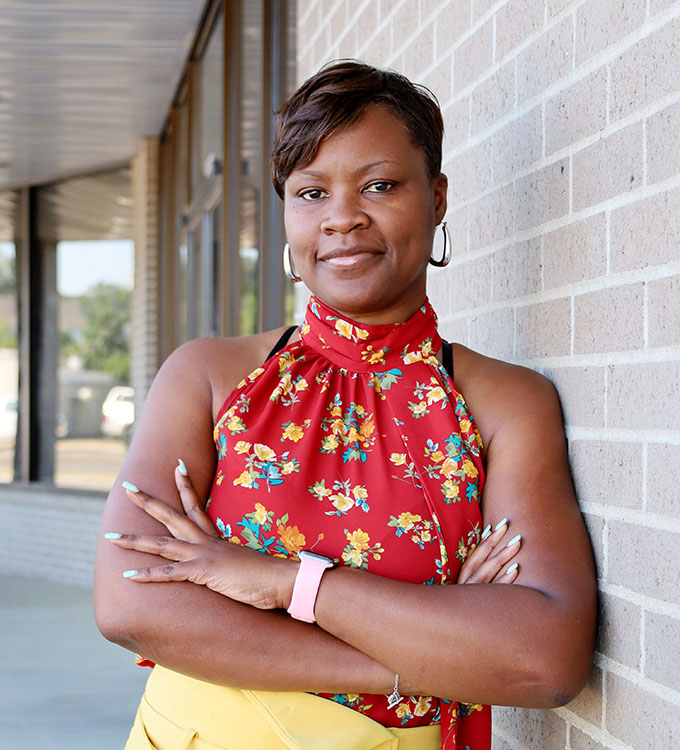
Wakonda Cox
Business Acuity Grant Manager
(870) 680-4832
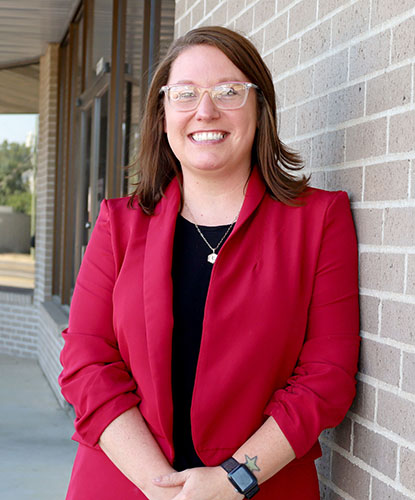
Lisa Robinson
Financial Manager
(870) 680-4118
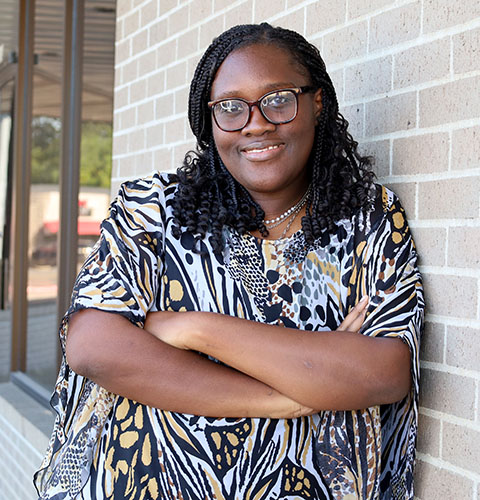
Myketa Hicks
Financial Analyst
(870) 972-3247
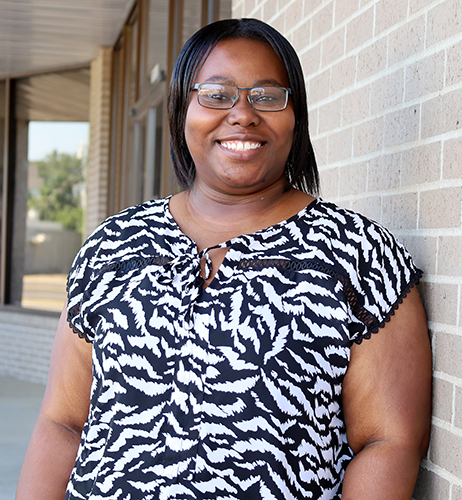
Jacquanay Buford
Administrative Specialist III
(870) 680-8062
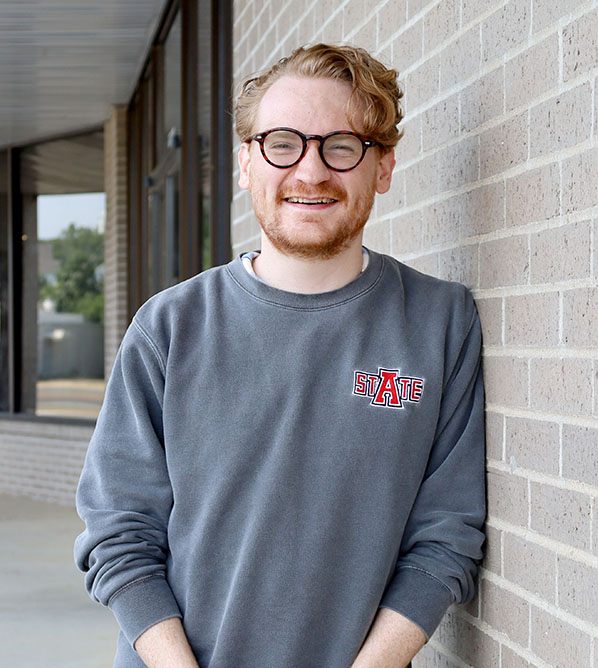
Trevor Scudder-Tate
Administrative Assistant
(8700 972-4844
Full Time Staff
Volunteer Opportunities
Location & Contact Information
Location: 2301 E. Johnson Ave., Jonesboro, AR
Phone: (870) 680-8062
Email: RestoreHub@AState.edu